


Rubber flooring
Robust, comfortable and hard-wearing, rubber flooring is particularly suited to heavily used spaces — at home as well as in commercial buildings.
A floor that withstands almost anything
Rubber has a dense, closed surface that is particularly resistant to everyday use. Depending on the collection and the condition of the floor, some rubber floor coverings can also be renovated rather than replaced.
Rubber combines very high resistance with the comfort of a resilient floor covering. It is used in heavily frequented places such as stations, airports, schools, shops and even some areas of ice rinks. Its dense surface stands up particularly well to heavy use and everyday marks. Softer than tiles or natural stone, it also helps to reduce footstep noise and offers pleasant comfort when standing for long periods.
Rubber is also easy to maintain and does not require any additional surface protection. Depending on the product and its condition, a renovation can be carried out without having to apply a varnish afterwards. And while most people know the traditional black studded rubber, today's collections open up a whole new world: contemporary colours, smooth or structured surfaces and designs inspired by stone, slate or terrazzo.
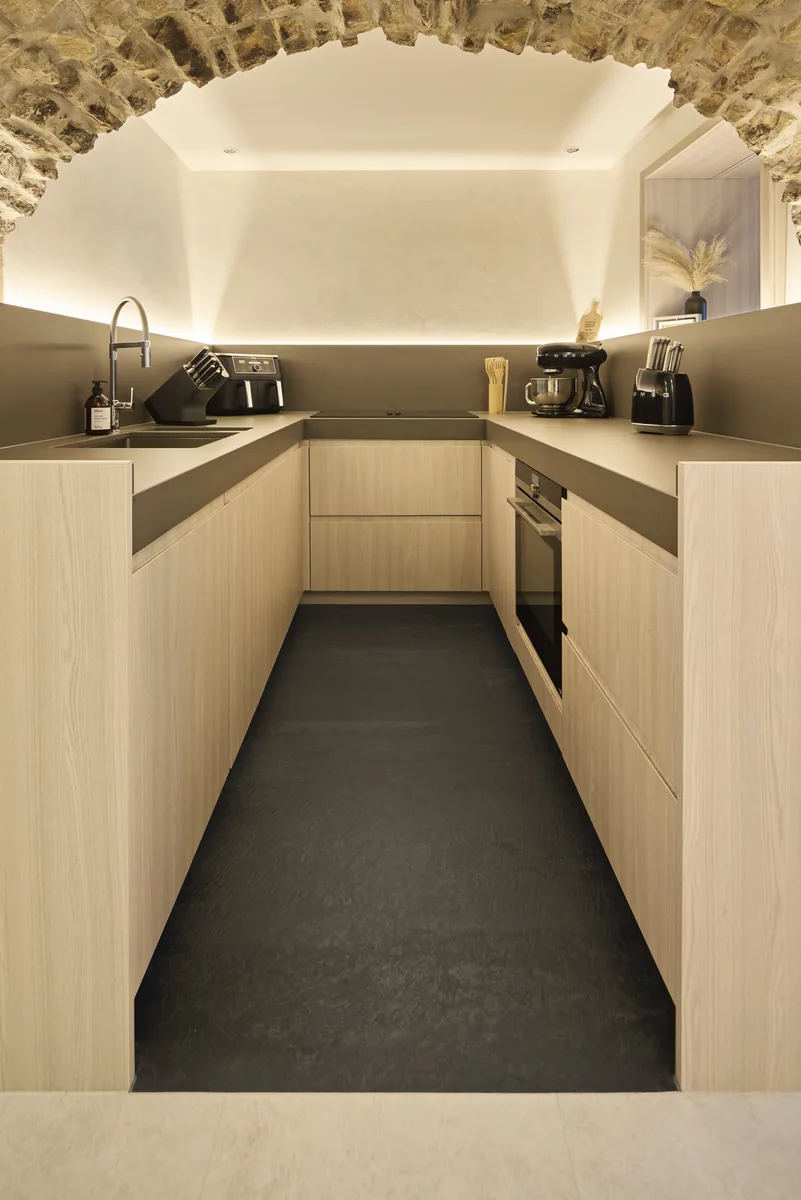
The noraplan® collections are mainly available in sheet form and are widely used in schools, hospitals and other high-traffic buildings. The norament® collections, meanwhile, are primarily available as tiles. Today, they offer a wide range of designs, including slate, terrazzo and stone effects. This makes them an attractive alternative to traditional tiles for kitchens, bathrooms and toilets, as well as many other rooms.
Several installation methods are possible depending on your needs: glued sheets or tiles, or the removable Loose Lay version.
Why choose a rubber floor?
Everyday benefits
Very hard-wearing — suited to heavily used spaces
Comfortable underfoot — softer and warmer than tiles
Acoustic comfort — reduces footstep noise
Easy to maintain — stain-resistant
Low thickness — ideal for renovations
Durable — designed for intensive use
Repairable — spot repairs possible depending on the product
Many designs & colours — plain, studded, stone, slate, terrazzo…
Different formats — available as tiles and sheets
For more technical requirements
Use class up to 43 — suited to areas with very heavy traffic
R9, R10 or R11 — different levels of slip resistance depending on the product
ESD (electrostatic discharge) — dissipative or conductive solutions for sensitive spaces and equipment
Chemical resistance — solutions adapted to specific requirements
Loose Lay — removable version, laid without permanent adhesive
Acoustic solutions — for higher requirements in terms of noise
PVC-free — depending on the collection
Free from halogenated polymers and phthalate plasticisers — depending on the collection
Cove skirting & stair nosings — solutions for finishes and specific areas
Surfaces and designs far removed from black rubber
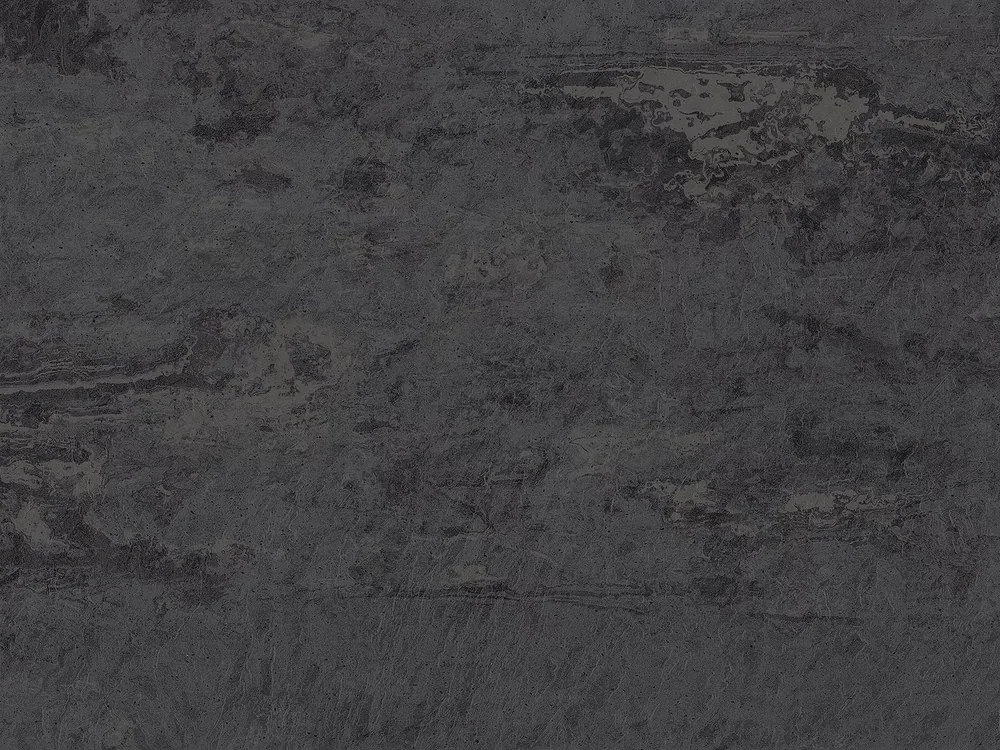
norament® 926 arago — A structured surface with a granular design and a contemporary marbled effect. Variations in the design give each tile a unique appearance.
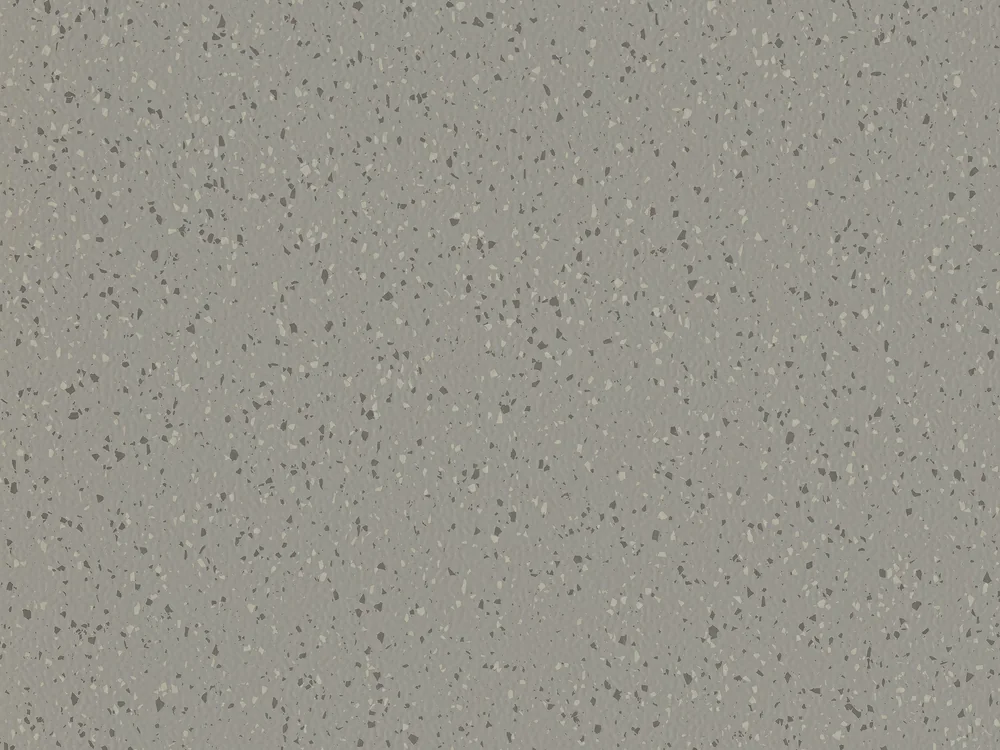
norament® 926 grano, satura, pado and kivo, noraplan® Iona and convia — A selection of surfaces ranging from hammered to lightly structured or satin, with granular, tone-on-tone or contrasting designs. A wide range of options to meet technical requirements as well as aesthetic wishes.
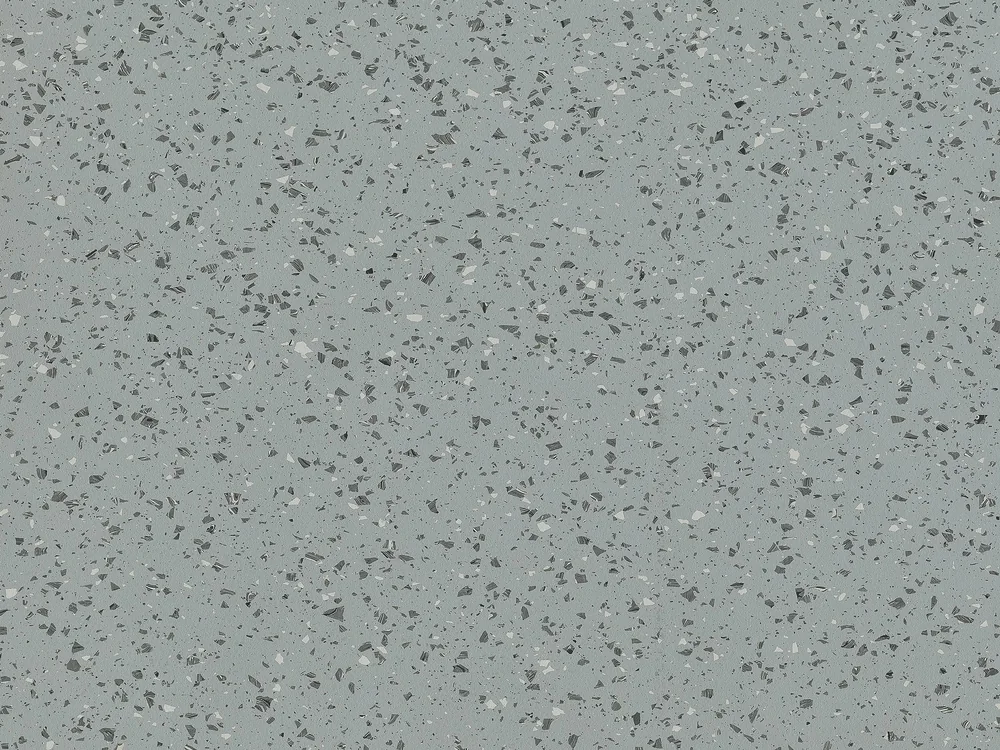
norament® 926 pado — A granite-like design inspired by classic terrazzo, combined with a lightly structured surface and designed for heavily used spaces.
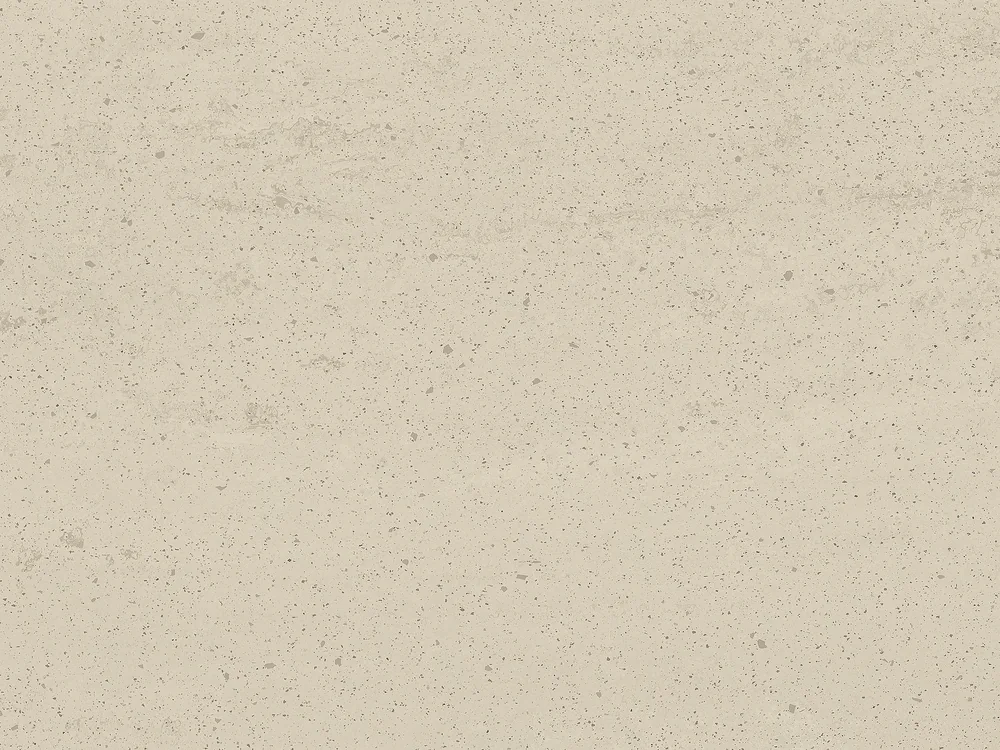
norament® 926 castello — A design with irregular grains and a contemporary marbled effect, recalling the natural character of stone. Variations in the design make each tile unique.
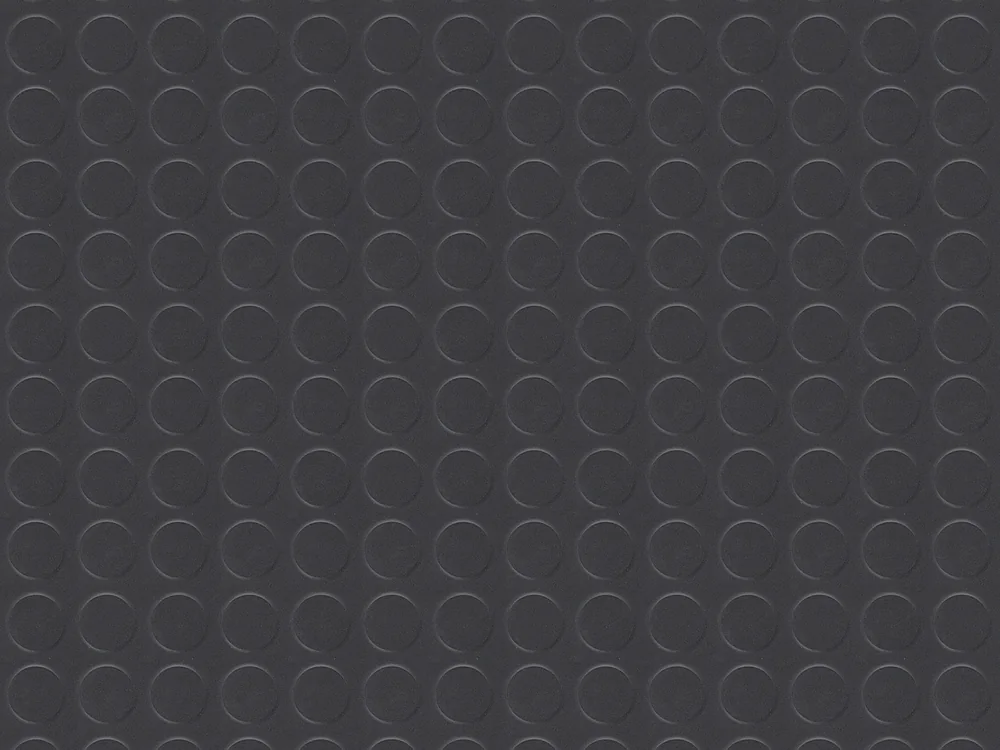
The great classic of rubber flooring: a plain surface with round studs, instantly recognisable and particularly suited to areas with heavy traffic.
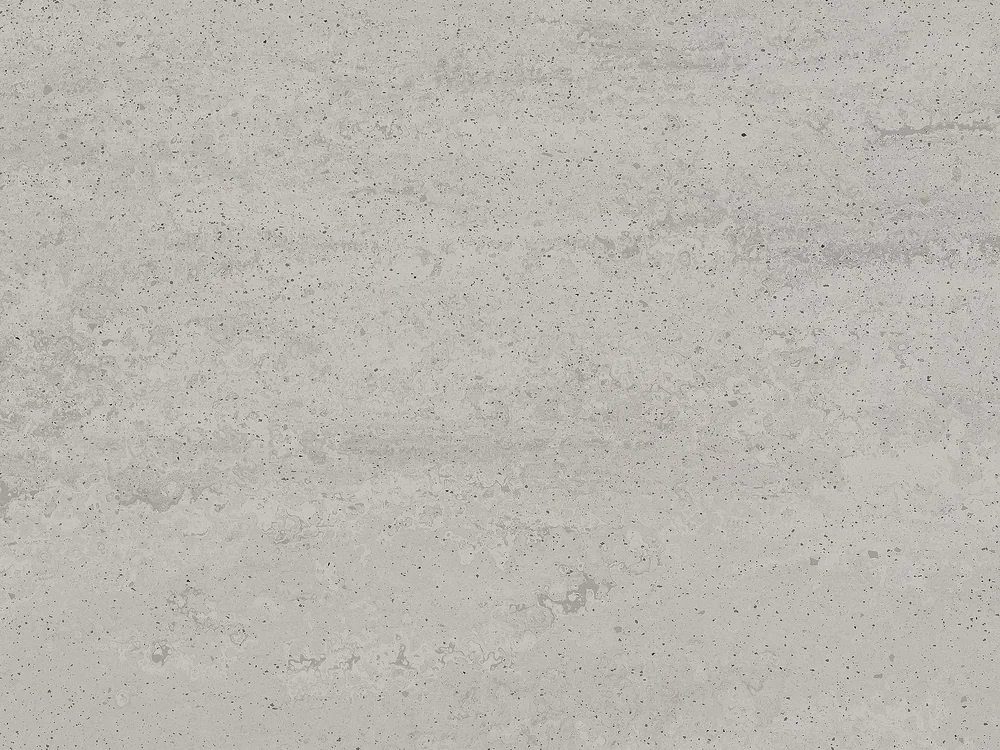
noraplan® uni, unita, signa, sentica, stone and noravant™ seneo — Smooth or lightly structured surfaces, plain, tone-on-tone or dotted with fine granules. A wide range of colours makes it possible to create floors that are sober and understated or, on the contrary, more expressive.
Our services for your rubber floor


Our latest projects
Need advice?
Our team is here to advise you and find the rubber floor suited to your project and its use.
Our suppliers