


Versatile floors for new builds and renovation
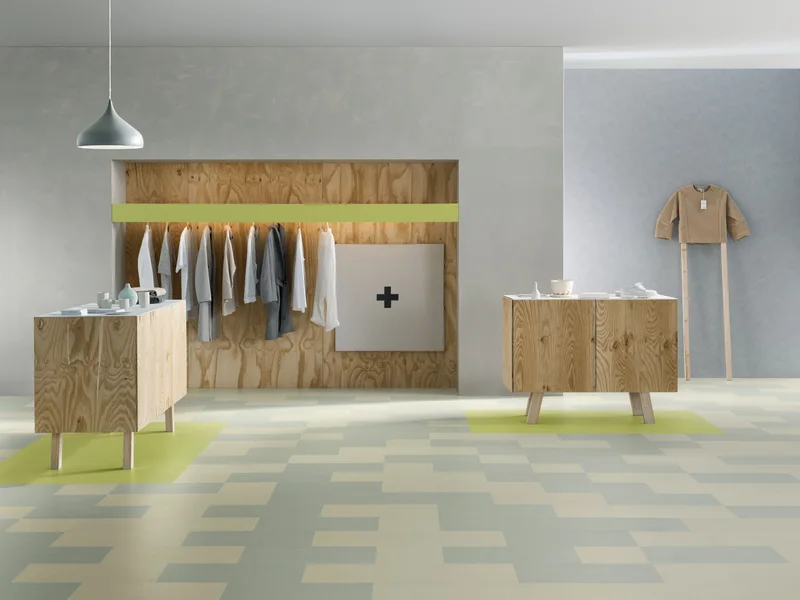
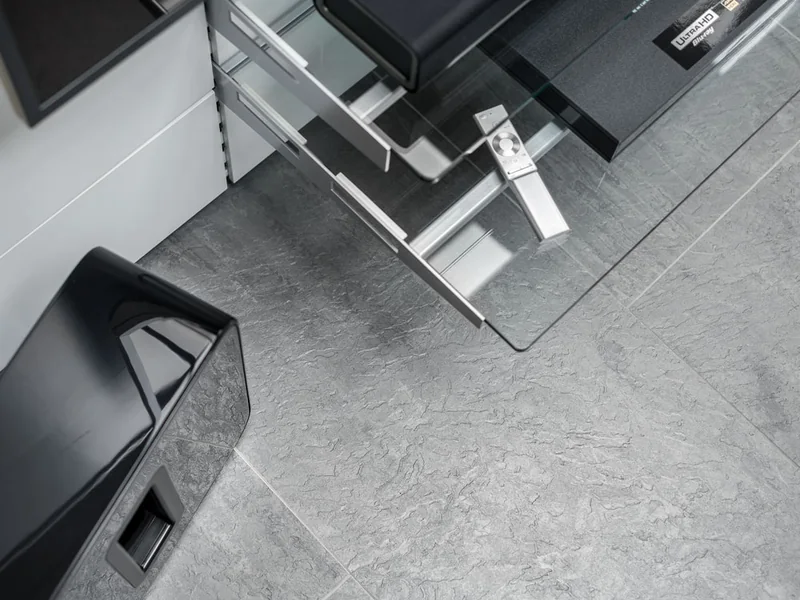
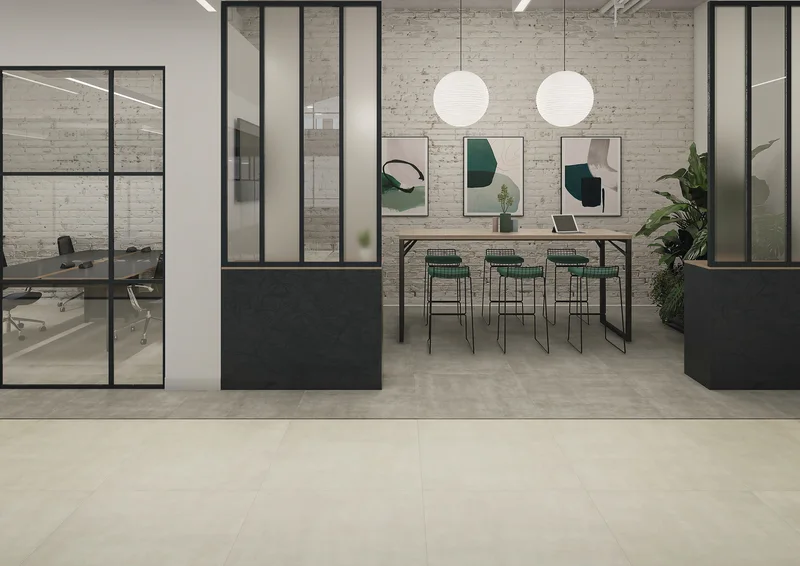
Resilient flooring offers many possibilities in new construction and renovation alike. Its low thickness often makes it possible to transform an existing floor without having to rip everything out. Depending on the subfloor and the product chosen, it can, for example, be laid over old tiles or natural stone after suitable preparation. Wood, stone, concrete, tiles, plain colours or more creative designs: the aesthetic possibilities are extremely varied.
Resilient flooring covers a wide variety of materials and compositions. Depending on your priorities, options include solutions based on raw materials of natural origin, PVC-free products and collections with environmental certifications. We help you choose the product that suits your project and your requirements.
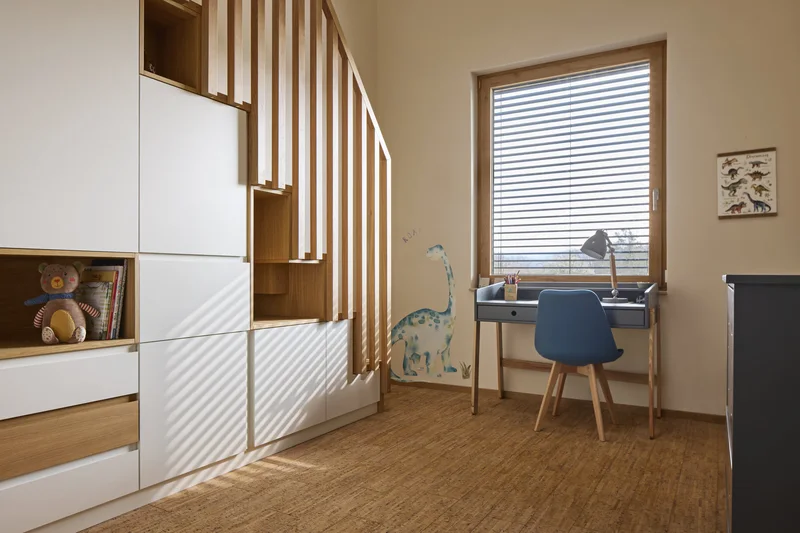
With their low thickness and a surface that is generally softer than tiles or natural stone, many soft floor coverings are pleasantly comfortable underfoot and are particularly worthwhile in renovation projects.
Which resilient flooring should you choose?
Our services for your resilient flooring


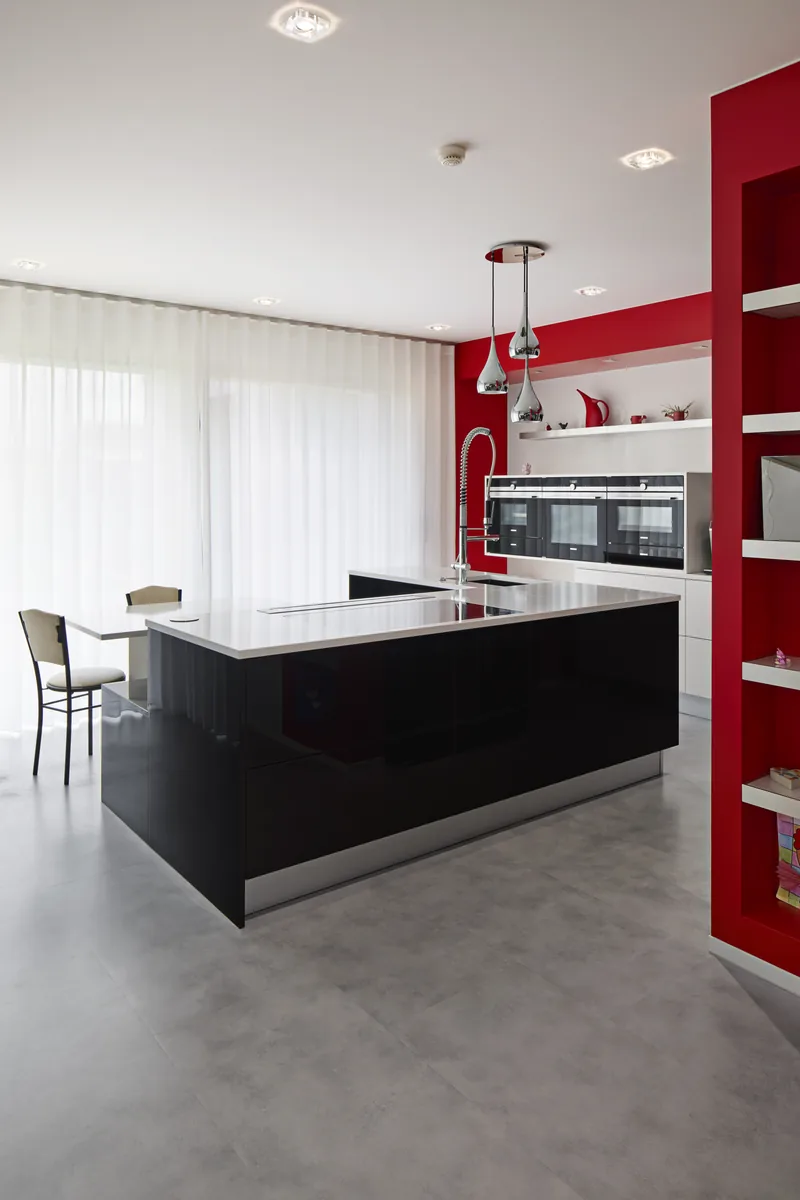
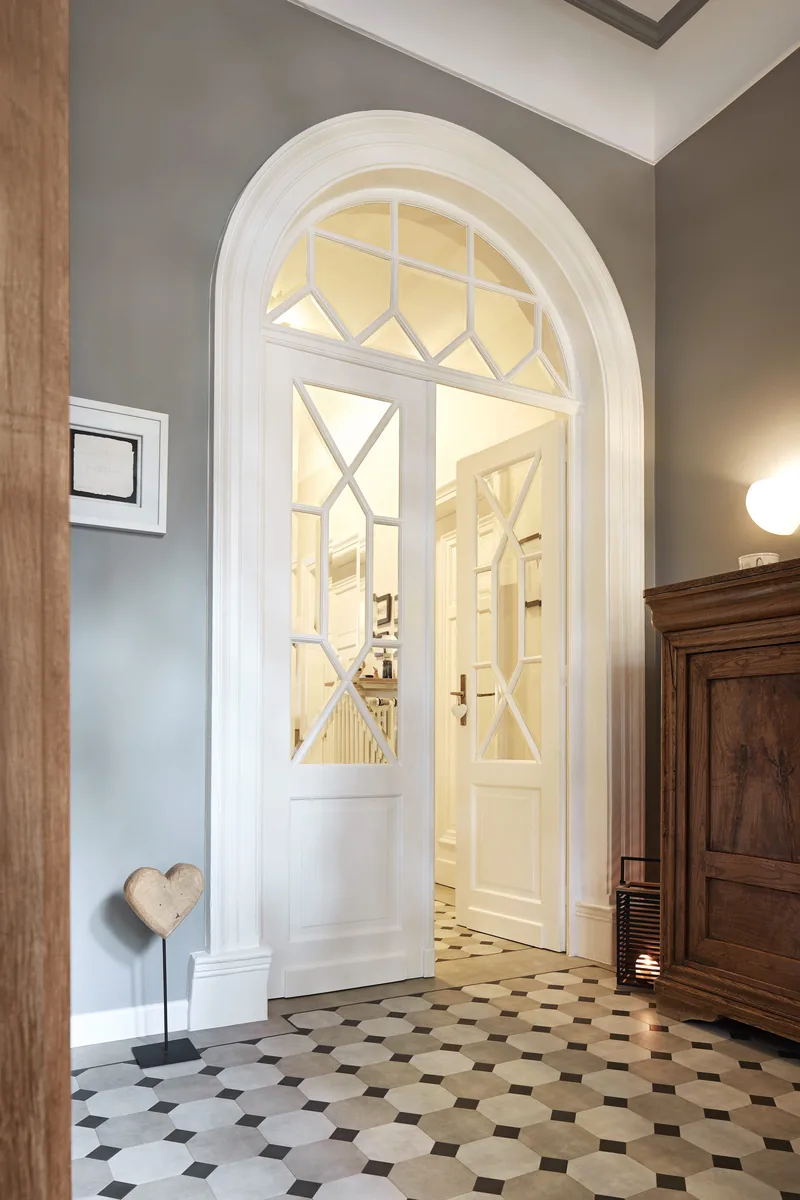
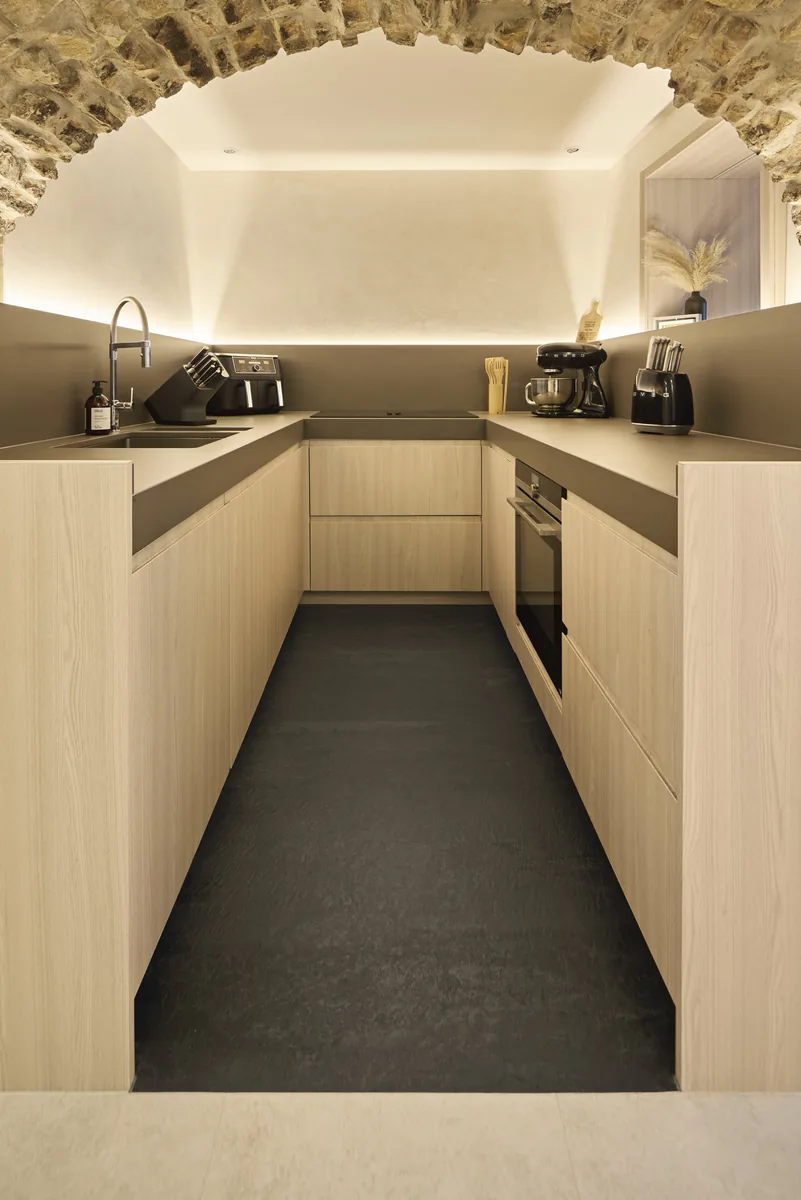
Our latest projects
Need advice?
Our team is here to help you choose the resilient flooring that suits your project, its use and your style.
Our suppliers








Your questions about resilient flooring
Use classes indicate the types of spaces and levels of wear a floor covering is designed for. They make it possible to compare products and choose a floor suited to its intended use.
- 2x — residential use
- 3x — commercial use
- 4x — industrial use
The second digit specifies the level of wear within each category: the higher it is, the more intensive the use the floor covering is designed for.
| Class | Use | Examples |
|---|---|---|
| 21 | Light residential | Bedroom |
| 22 | Moderate residential | Living room, dining room |
| 23 | Heavy residential | Hallway, entrance, kitchen |
| 31 | Light commercial | Private office |
| 32 | Moderate commercial | Office, hotel, classroom |
| 33 | Heavy commercial | Shop, restaurant |
| 34 | Very heavy commercial | Shopping centre, airport |
| 41 | Light industrial | Laboratory, control room |
| 42 | Moderate industrial | Light warehouse, heavily used hospital corridor |
| 43 | Heavy industrial | Operating theatre, factory, heavy handling area |
Genuine balatum, historically made from bitumen-impregnated cardboard, is no longer sold today. The word is still often wrongly used to refer to various soft or vinyl floors. We offer many modern alternatives in linoleum, rubber, LVT, cork and other resilient floor coverings.
A bit of history: Balatum was created by the Papeteries de Genval in Belgium in the 1920s. It consists of bitumen-impregnated cardboard, which gives it a flexible texture and water resistance. Balatum was hugely successful between 1950 and 1980, a period during which it was widely used. An economical floor covering, but with low durability. Genuine balatum is hardly sold any more: the term is often wrongly used to refer to entry-level PVC floors, which are technically very different.
Yes, this is often possible. Depending on the condition of the subfloor and the floor covering chosen, resilient flooring can be laid over existing tiles after suitable preparation. This makes it possible to transform a room without always having to remove the old floor.
Often, yes. With plank or tile flooring, it is generally possible to replace only the damaged elements. With sheet flooring, a spot repair can also be considered, but the join is likely to be more visible. We recommend keeping a few spare planks or tiles after installation.
These floor coverings all belong to the large family of resilient floors, but their composition and properties differ. Linoleum is mainly made from raw materials of natural origin, LVT is generally PVC-based, rubber stands out for its great durability and cork for its thermal and acoustic comfort. The right choice depends on the use, the subfloor, the desired design and the technical requirements.
There is no single floor covering that is ideal for every situation. Durability, comfort, acoustics, moisture, maintenance, design, available thickness and installation method are all criteria to take into account. We compare the different solutions with you in order to choose the one that genuinely suits your project.