


Warm and attractive, parquet is a natural floor covering with exceptional longevity. But to enjoy it for many years, it needs to be cleaned and maintained using methods suited to its material: wood.
Depending on whether it is varnished or oiled, the appropriate maintenance and cleaning techniques will not be quite the same. Follow our professional advice and you will avoid any unpleasant surprises.
Varnished parquet, oiled parquet: definitions
Varnished (or sealed) parquet is parquet to which several coats of varnish have been applied. These coats seal the pores of the wood and form a film on the surface of the parquet that acts as a hard-wearing protective layer
An oiled finish involves impregnating the parquet with oils that penetrate the wood fibres and saturate its pores. Wax components settle on the surface and protect the parquet. Oil brings out the grain and texture of the wood and gives it a very attractive, natural look.
Whether varnished or oiled, parquet does not like moisture, so cleaning with large amounts of water or with steam must be avoided.
How should you care for varnished parquet?
Varnished parquet is less delicate than oiled parquet and needs less maintenance.
Day to day: dry cleaning with a vacuum cleaner – ideally fitted with a brush nozzle to avoid scratches. A broom fitted with an electrostatic cotton cloth is also perfectly suitable.
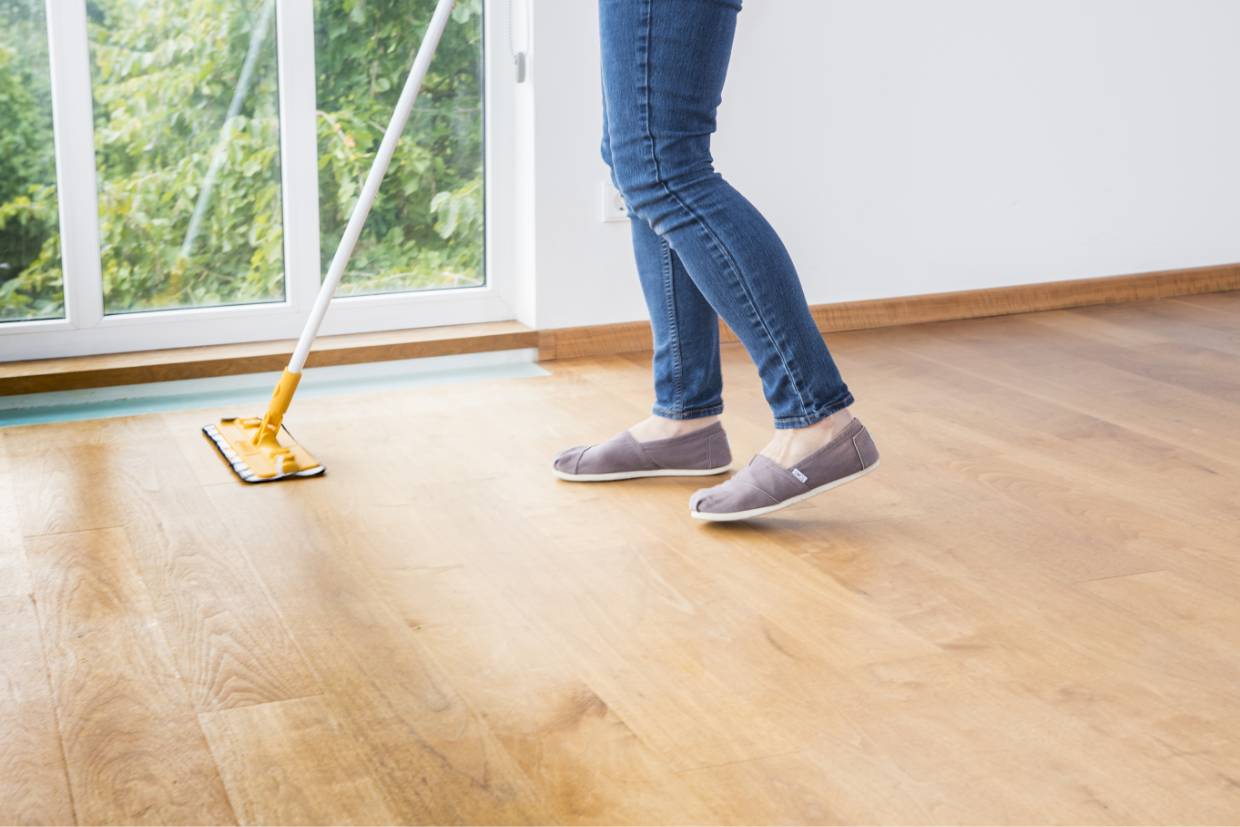
For “sticky” dirt: a sponge mop or a well wrung-out floor cloth with a suitable neutral soap makes cleaning the floor simple and effective.
For our part, we recommend the product “Berger Seidle Brilliance NeutralCleaner”
Applying an additional protective coat:
You can apply an additional protective coat over the varnish to restore your parquet’s shine. This care product, a kind of renovator, can be used in two different ways: diluted or neat.
We recommend “Berger Seidle Brillance Everclear”
Diluted (follow the manufacturer’s instructions carefully): the care product will leave a thin film on top of the varnish, giving your parquet extra protection. But make sure the cleaning water is always perfectly clean; otherwise you will simply be applying a dirty film, which may cause differences in colour between the walkways – where the protective coat wears faster – and the edges of the room.
Neat: the care product will form a sort of thin protective layer over the varnish. The varnish will take on a new, even shine. However, defects, scratches and stains will not be removed.
How do you care for parquet treated with an oxidative oil?
Since the special feature of oiled parquet is that the wood’s pores remain open to bring out its natural appearance, its care needs to be adapted to the situations you may encounter.
Day to day: for dry cleaning, as with varnished parquet, you can use a vacuum cleaner and/or an electrostatic cotton cloth.
For “sticky” dirt: there are two products for damp-cleaning your oiled parquet: a neutral soap (pH value of 7) or a cleaning product based on water and wax. The wax components will give the oiled parquet extra protection.
Make sure your cleaning water is always perfectly clean, so that your parquet does not darken.
We recommend these two products: “Berger Seidle Brillance NeutralCleaner” / “Berger Seidle Aqua Oil Care”
Over time, but above all with overly frequent damp cleaning (even with very little moisture), the oil can eventually be washed out of the wood’s pores. Damp cleaning too often will harm oiled parquet, which will then become dry and “thirsty” much more quickly.
Caring for oiled parquet:
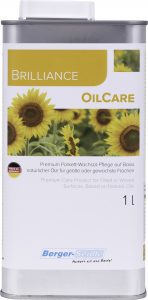
Oil can be reapplied to re-saturate the wood’s pores, which will refresh and protect your parquet and so extend its lifespan.
We use “Berger-Seidle Brillance OilCare”
You can do this yourself with a cotton cloth (e.g. for your stairs) or hire a machine designed for the purpose, which is preferable for treating an entire room.
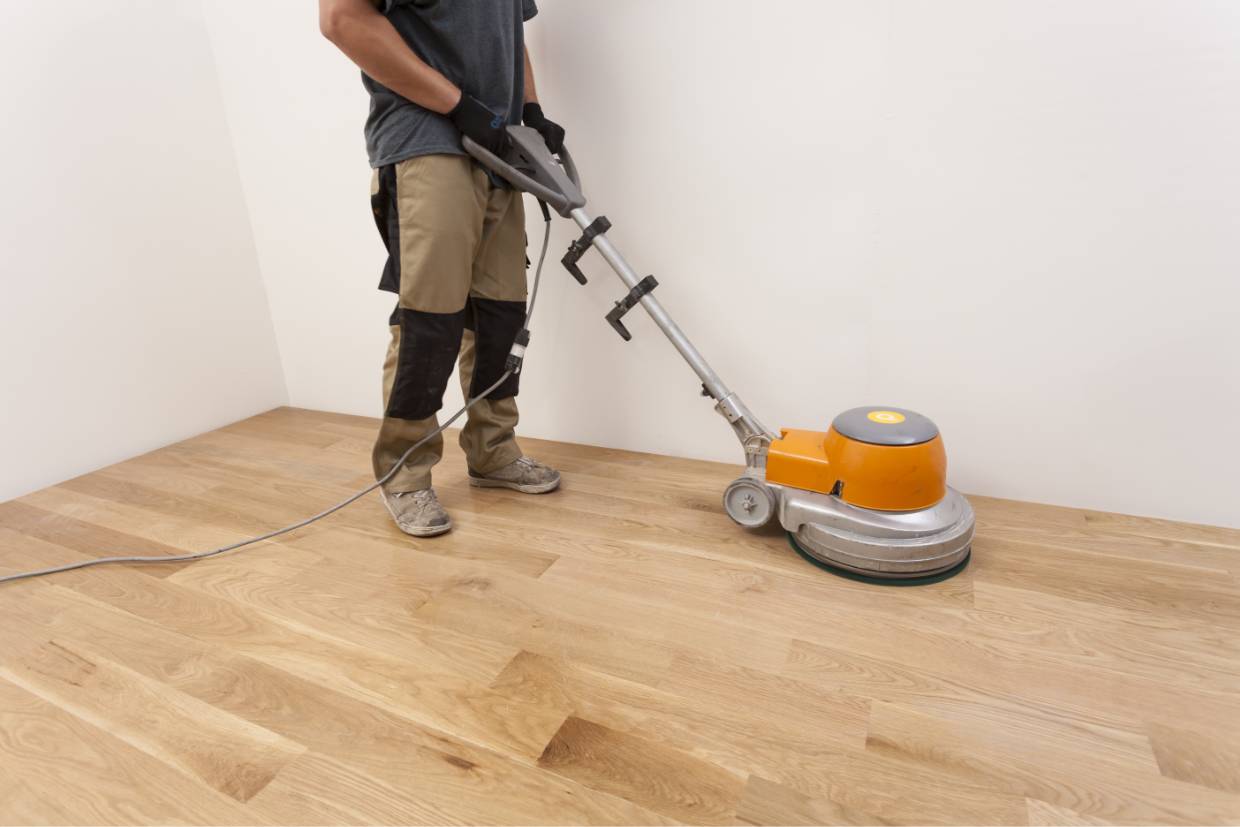
We make a machine for applying the protective oil available to our customers free of charge.
Applying the oil is comparable to putting cream on human skin. The skin (like the wood of the parquet) absorbs the cream (the oil) it needs; any excess that has not been absorbed must therefore be removed to prevent the skin (the floor) from becoming sticky.
When applying oil in a furnished room, three types of furniture need to be distinguished.
Furniture that rests on the floor along its entire base (e.g. kitchen units or some sideboards). The machine runs right up to it, so the oil is applied perfectly and there is no need to move it.
Furniture on legs. As the machine cannot pass underneath, the oil must be applied by hand with a cloth, or the furniture moved.
Large tables or sofas can either be moved to an area that has already been treated, or simply left where they are: since the area under a sofa is not walked on, it is not at risk of wear or stains.
Caution: as the oil dries, chemical reactions take place between the linseed oil, the cotton of the cloth and the oxygen in the air, generating heat. A crumpled, oil-soaked cloth left lying on the floor – or worse, in a bin – can gradually heat up, and this can go as far as combustion. But don’t worry: by following a few simple tips, this risk can be avoided. Here’s how:
- We give our customers a metal bucket with an airtight lid so that they can safely dispose of the cloths after use.
- You can also spread the cloth(s) out on a non-flammable surface outdoors and let the oil dry completely before safely throwing them in your bin.
A handy tip: how can you tell if your parquet is dry?
To find out whether your oiled parquet is dry, you can do this simple test: put a few drops of water in one spot and quickly wipe them off with a dry cloth. If the parquet has absorbed water, a difference in colour will appear. This is a sign that the pores are no longer saturated with oil and that your parquet needs care (the difference in colour will disappear once the moisture has evaporated).
Conclusion
Parquet laid in a kitchen or bathroom needs more frequent care than parquet in a living room, dining room or bedroom. So if you are unsure how to care for the floors in your various rooms or how to remove a stain, don’t hesitate to ask us for advice!
Be sure to avoid the industrial and corrosive products you use on your tiles or lino. Also pay close attention to the labels of products sold in supermarkets. We recommend using products specifically designed for parquet, such as those you will find in our showroom.
Avoid microfibre cloths: 1. These fibres can absorb the oil from your parquet and dry it out. 2. If the fibres of this type of cloth are not “round”, they can cause micro-scratches and damage your parquet (whether oiled or varnished).
If your parquet has deep scratches or deeply ingrained stains and no longer looks its best, it can be sanded back to the bare wood and a new protective coat applied. This more substantial work, going beyond simple maintenance, is called renovation, and we will cover it in a future article.
Not sure which products to buy?
Come and see us – we have all the products you need to care for and clean your parquet floors. Ask us for advice and leave with the right products and professional tips.